← All Posts
General
Which Was the First Tamil Movie? A Complete History of Tamil Cinema Explained
📅 May 8, 2026
⏱ 3 min read
Which was the first Tamil movie?
This is a common question asked by movie lovers, students, and aspiring actors. Tamil cinema, also known as Kollywood, has a long and proud history. From silent films to powerful performances, Tamil cinema has shaped Indian filmmaking in many ways.
In this article, we will explore the first Tamil movie, how Tamil cinema began, and how acting evolved over time. Everything is explained in simple English, step by step.
Which Was the First Tamil Movie?
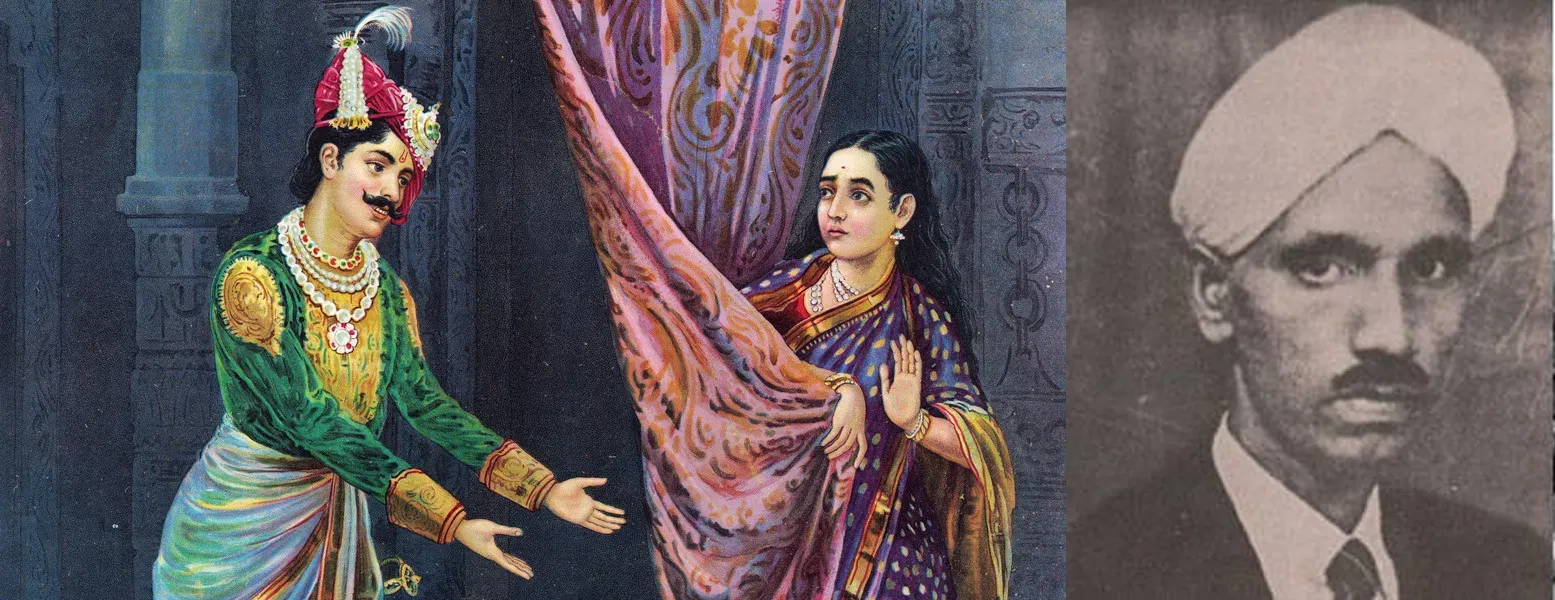
The first Tamil movie was “Keechaka Vadham”, released in 1918.
It was a silent film
Directed by R. Nataraja Mudaliar
Based on a story from the Mahabharata
There was no sound or dialogue in this movie. Actors expressed emotions using facial expressions and body language. This film marked the birth of Tamil cinema.
Who Is the Father of Tamil Cinema?
R. Nataraja Mudaliar is known as the father of Tamil cinema.
Why is he important?
He made the first Tamil movie
He built one of the first film studios in South India
He trained actors when cinema was completely new
Without his efforts, Tamil cinema might not exist as we know it today.
The Silent Film Era in Tamil Cinema (1918–1931)
The early Tamil movies were all silent films.
Key features of silent films:
No recorded sound
No spoken dialogue
Live music played in theatres
Heavy use of expressions and gestures
Actors had to act clearly and strongly so the audience could understand the story without words.
This era helped actors learn physical acting, which is still important today.
The First Tamil Talkie Movie
The first Tamil movie with sound was “Kalidas”, released in 1931.
Why was “Kalidas” special?
It was the first Tamil talkie
Actors could speak dialogues
Songs were added
Acting became more natural
After this, cinema changed forever. Voice, dialogue delivery, and pronunciation became very important for actors.
Growth of Tamil Cinema After Sound
Once sound was introduced, Tamil cinema grew very fast.
Major changes:
Stories became emotional and social
Music became a big part of films
Dialogue-driven performances became popular
Actors were now judged on:
Voice clarity
Emotion
Screen presence
The Golden Era of Tamil Cinema (1950s–1970s)
This period is called the Golden Era.
Famous actors of this era:
M.G. Ramachandran (MGR)
Sivaji Ganesan
Why this era matters:
Strong acting performances
Meaningful stories
Powerful dialogues
Sivaji Ganesan is still respected for his acting skills, expressions, and emotional depth. Many acting schools study his performances even today.
Modern Tamil Cinema and Acting
Today’s Tamil cinema is very different.
Modern changes:
Realistic acting
Shorter dialogues
Natural expressions
New storytelling styles
Actors now focus on:
Character understanding
Body language
Emotional truth
This is why proper acting training has become very important.
Why Understanding Tamil Cinema History Is Important for Actors
Every aspiring actor should know the history of Tamil cinema.
Benefits:
Learn how acting evolved
Understand different acting styles
Respect the art of cinema
Improve performance depth
At Feel Good School of Acting, students are taught not just acting, but also cinema history, so they understand where the craft comes from.
How Acting Schools Use Cinema History
Professional acting schools use cinema history to:
Teach performance techniques
Show classic film examples
Improve emotional acting
Build strong foundations
Knowing the journey from silent films to modern cinema helps actors perform better.
Tamil Cinema Today: A Global Identity
Tamil movies are now watched all over the world.
Films are screened at international festivals
Tamil actors work in multiple industries
Stories reach global audiences
This global growth started with one silent film in 1918.
Conclusion
So, which was the first Tamil movie?
The answer is “Keechaka Vadham” (1918).
From silent films to modern masterpieces, Tamil cinema has come a long way. Understanding its history helps us appreciate acting, storytelling, and cinema as an art.
For anyone who dreams of acting, learning cinema history is the first step toward becoming a better performer.